

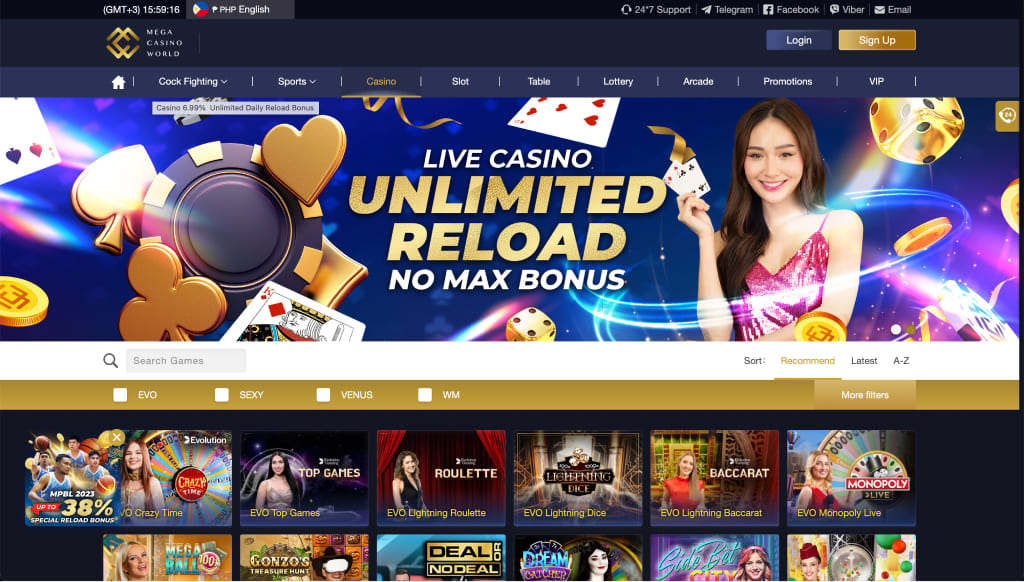
Responsible gambling is easier when limits are decided before entertainment turns into an unplanned expense. The available information for slotrave casino indicates that Canadian account access, products and support arrangements can vary by location, so players should treat responsible-gaming controls as part of their account planning rather than an afterthought. This means setting a budget, choosing time boundaries, understanding promotional conditions and knowing how to request stronger restrictions when needed. A clear routine can help keep casino and sportsbook activity recreational, measurable and separate from essential household spending.
Decide what your gambling budget can safely be
A gambling budget should come from discretionary money only: funds left after rent or mortgage payments, food, utilities, debt obligations, savings and other essentials. It should never depend on winning, borrowing, selling belongings or delaying a necessary payment. A practical approach is to choose both a weekly and monthly ceiling, then use the lower available amount if your circumstances change. Treat the figure as the maximum entertainment cost, not as a target to use every time.
Separate the budget from ordinary spending wherever possible. A dedicated payment method or clearly labelled account can make gambling transactions easier to identify, although it does not replace a formal operator limit. Keep a simple record of deposits, withdrawals, wagers and losses. Looking at the total over several weeks may reveal a different picture from judging each session on its own. If the activity is regularly exceeding the amount you intended to spend, pause rather than increasing the budget.
Promotions can make a session appear less expensive while introducing extra conditions. Bonus funds, free spins and loyalty rewards may have wagering requirements, expiry periods, maximum-bet rules or game restrictions. They should not be counted as cash value until the relevant terms have been met. Before accepting an offer, ask whether it fits your pre-set spending plan. If a promotion encourages an additional deposit, the safer decision may be to decline it.
Use time limits before a session begins
Money is only one part of responsible gambling. Long sessions can make decisions feel automatic, especially when casino and sportsbook activity are available through the same account. Choose a stop time before opening the site and set an external reminder on your phone. Include a short break for food, sleep or another activity. A session that has no defined ending can gradually become much longer than originally intended.
Do not use gambling to fill time when tired, upset, lonely or under the influence of alcohol or other substances. Those conditions can make it harder to notice losses and easier to chase them. A useful personal rule is to postpone play whenever your mood is driving the decision. If you feel pressure to continue after reaching your money or time limit, close the session and create distance from the device.
Keep gambling separate from routine phone use. Removing shortcuts, signing out after a session and avoiding casino content during work or family time can reduce impulsive access. The source material describes browser-based mobile access and an installable home-screen shortcut, but an easier route to an account is not necessarily a safer one. Convenience should be balanced with deliberate pauses and clear boundaries.
Check which controls are actually available
Responsible-gambling controls are not always presented in the same way across accounts or regions. The available information describes self-exclusion as something that can be requested through customer support. Some account descriptions also mention deposit, loss or wager limits and cooling-off periods arranged through support, rather than a completely self-service control panel. That distinction matters: do not assume a limit exists until its amount, duration and activation status have been confirmed.
Before contacting support, write down the restriction you want. You might request a deposit ceiling, a loss limit, a wager limit, a temporary cooling-off period or full self-exclusion. Ask when the measure takes effect, whether it applies to casino and sportsbook activity, how long it lasts and whether it can be changed during that period. Keep the support response for your records. If the operator requires additional account verification, follow the stated process without sending unnecessary information.
For wider information about safer gambling and available support, consult the Responsible Gambling Council, a Canadian public-information organisation. Its guidance can help frame personal limits and warning signs, but it does not confirm the controls, terms or availability of any particular operator. If you need immediate help with gambling-related distress, seek support from a qualified local service, a healthcare professional or someone you trust.
Recognise when normal limits are no longer enough
A spending limit is useful, but it should not be treated as proof that gambling is under control. Warning signs include hiding activity, repeatedly exceeding a budget, chasing losses, neglecting responsibilities, borrowing money, feeling restless when unable to play or thinking about gambling throughout the day. Trying to recover losses by increasing stakes is especially risky because it turns a past result into pressure for a future decision.

When these signs appear, a short break may be more appropriate than a smaller session. Ask support about self-exclusion or a cooling-off period and remove saved payment details where possible. Tell a trusted person what is happening so that the decision is not carried entirely in private. Avoid replacing casino play with sports betting or another gambling format, since moving between products does not address the underlying pattern.
Do not describe gambling losses as a temporary loan from your future income. Stop gambling if rent, food, bills, debt payments or savings are being affected. A financial counsellor can help organise immediate priorities, while a healthcare professional or gambling-support service can address stress, compulsion and related concerns. Seeking help early is a practical protective step, not a judgement about character.
Review your account and habits regularly
Responsible gambling works best as a repeating review rather than a one-time promise. At the end of each week, compare your actual deposits, withdrawals, time spent and emotional state with the limits you chose. Look for patterns such as playing later at night, depositing after losses or using higher stakes during stressful periods. A written record is often more reliable than memory, particularly when individual transactions seem small.
Review promotional activity with the same caution. Recurring offers, VIP progress and rewards can encourage more frequent visits or larger qualifying deposits. Loyalty status should never justify spending beyond your budget, and rewards should not be treated as compensation for losses. If an offer changes your intended plan, cancel or ignore it. Ask support how bonus cancellation affects an account before accepting funds, because conditions may differ between promotions.
Finally, check that your personal information, payment methods and account activity remain familiar. Unrecognised transactions or unexpected changes should be reported promptly through the operator’s stated support channel. If you have requested a limit or exclusion, verify that it is active and retain confirmation. The aim is not to maximise time on the platform; it is to keep entertainment predictable, affordable and easy to stop.
Responsible gaming questions answered
What is the safest gambling budget?
There is no universal safe amount. Use only discretionary money left after essential costs, debt payments and savings, and set a firm limit before playing. If losses would affect your household, increase financial pressure or require borrowing, gambling is not affordable at that time. A zero budget is a valid choice.
Can I request a cooling-off period?
The available account information indicates that cooling-off periods may be arranged through support, but availability and duration can vary by account or location. Ask for the exact start time, end date and activities covered. Do not assume a request is active until support confirms it in writing.
When should I consider self-exclusion?
Consider self-exclusion when you repeatedly break limits, chase losses, hide gambling, borrow money or cannot stop when intended. It is also appropriate when gambling is affecting sleep, relationships, work or essential spending. Contact support, remove convenient access and seek independent help rather than relying on willpower alone.