

Debunking the most popular gambling myths what you need to know
Understanding Gambling Myths
Gambling is often surrounded by a cloud of misconceptions and myths that can mislead both novice and experienced players. One prevalent myth is that gambling is inherently a foolproof way to make money. Many believe that with the right strategy or system, one can consistently win. However, this is far from reality. Gambling outcomes are primarily based on chance, and while strategies may enhance the experience or improve odds, they cannot guarantee victory. As players look for new ways to enjoy their gaming experience, options like payid online pokies are becoming more popular for their convenience.
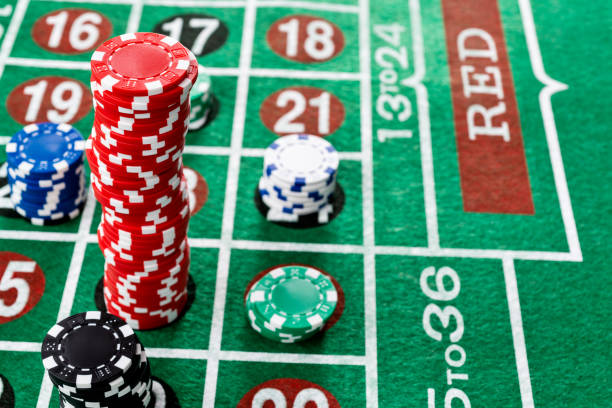
Another common myth is the idea of “hot” or “cold” machines in casinos. Players frequently claim that certain slot machines are on a winning streak or due for a payout. This belief can lead to extended play on specific machines, ultimately leading to greater losses. In truth, most gambling games, especially slots, operate on random number generators, ensuring that each spin is independent of the last. Understanding that every play is a fresh opportunity devoid of prior influence is crucial.
Furthermore, many people believe that gambling can be an escape from personal problems or financial difficulties. While it can be entertaining, using gambling as a coping mechanism can exacerbate issues rather than solve them. This myth perpetuates the idea that luck can override life challenges, which can lead to serious consequences, including gambling addiction. Recognizing gambling as a form of entertainment rather than a solution is essential for responsible play.
The Gambler’s Fallacy
The gambler’s fallacy is a psychological misconception where individuals believe that past random events affect the outcomes of future ones. For instance, a player may think that if a coin toss has resulted in heads five times in a row, tails is “due.” This fallacy can lead to poor decision-making in gambling scenarios. In reality, each event is independent, and previous results do not influence future outcomes.
This misunderstanding can lead to greater losses, as players might increase their bets based on incorrect assumptions. By believing in patterns where none exist, gamblers can become trapped in cycles of chasing losses, which only intensifies the risk. Education about this fallacy can help players adopt a more rational approach to gambling, focusing on strategies grounded in probability rather than superstition.
Being aware of the gambler’s fallacy can also enhance emotional resilience when facing losses. Understanding that losses are a natural part of gambling can help players maintain a healthier mindset. Instead of feeling discouraged by a string of losses, players can view them as inherent risks, allowing them to set more realistic expectations for their gambling sessions.
Beliefs About Skill and Luck
The debate between skill and luck in gambling is a prevalent theme, often creating misunderstandings among players. Many assume that skill-based games, such as poker or blackjack, allow for consistent winning if one is experienced enough. While skill does play a crucial role in these games, luck can never be disregarded. Even the best players face scenarios where luck heavily influences the outcome, emphasizing that no one can control every aspect of the game.
Conversely, players often underestimate the skill involved in games of chance, such as slots or roulette. While these games are primarily luck-based, understanding game mechanics, payout structures, and house edges can improve a player’s overall experience. This nuanced understanding helps in making informed decisions about betting amounts and game selection, ultimately enhancing enjoyment while minimizing losses.
Additionally, the belief that success in gambling equates to a lack of luck can lead to a false sense of security. Successful players often understand that losing streaks are just as likely as winning streaks. Embracing both skill and luck as integral parts of the gambling experience allows players to approach games with a balanced mindset, fostering a more enjoyable and responsible gaming environment.
Impacts of Gambling Myths on Behavior
Gambling myths not only mislead players but can also shape their behaviors and attitudes toward gambling. For instance, the belief that one can always “win it back” after a loss encourages risky behaviors such as chasing losses. This mindset can lead to dangerous cycles of gambling, where the initial intent of having fun transforms into an obsessive quest to recover lost money.
Additionally, myths surrounding gambling winnings can foster unrealistic expectations. Many players believe that significant wins are just around the corner, leading them to spend beyond their means. The allure of jackpots or big wins often obscures the reality that the odds are stacked against players, which can have detrimental financial consequences for those who do not gamble responsibly.
Recognizing the harmful impacts of these myths is essential for fostering a healthier gambling culture. Promoting accurate information about gambling odds, the nature of random events, and the importance of responsible play can help mitigate the risks associated with common misconceptions. This shift in awareness is vital for ensuring that gambling remains an enjoyable pastime rather than a harmful addiction.
Gambling Responsibly and Educating Yourself
The importance of responsible gambling cannot be overstated. Educating oneself about gambling myths and realities is the first step toward fostering a healthier relationship with gambling activities. Players should seek to understand the odds of various games and recognize that gambling should be viewed as a form of entertainment rather than a means of making money. This understanding promotes a more balanced approach to gambling, where enjoyment takes precedence over financial gain.
Moreover, resources and support systems are available for those who may struggle with gambling habits. Many organizations offer educational programs, counseling, and support groups for individuals and families affected by gambling addiction. Taking advantage of these resources can empower players to make informed choices about their gambling activities and seek help when needed.
Ultimately, responsible gambling practices hinge on awareness and education. By debunking popular myths and fostering a culture of informed play, individuals can enjoy gambling as a fun activity without falling prey to the pitfalls that often accompany misconceptions. Taking a proactive stance on education and responsibility contributes to a more sustainable and enjoyable gambling experience for all.
Your Resource for Responsible Gambling
For those seeking a deeper understanding of gambling and its nuances, our website serves as a comprehensive resource. We provide a wealth of information, including articles on gambling myths, strategies for responsible play, and insights into various games. By prioritizing education, we empower players to make informed decisions, enhancing their overall gaming experience.
Our commitment to promoting responsible gambling practices is evident in every piece of content we create. We believe that everyone should have access to accurate information that helps them navigate the gambling landscape safely and responsibly. Whether you are a novice or an experienced player, our resources are designed to support your journey while ensuring that gambling remains an enjoyable pastime.