

Exploring the psychological triggers behind casino behavior and decision-making
The Allure of Risk and Reward
The psychological foundations of gambling are deeply intertwined with the concepts of risk and reward. This interplay influences how individuals perceive the outcomes of their decisions. In a casino environment, the thrill of potentially winning a large sum can lead to impulsive behavior, as players weigh the excitement of victory against the fear of loss. This excitement is often amplified by the sensory overload of lights and sounds, creating an atmosphere that encourages continued engagement. For those interested in exploring more options, they can visit https://magicwincasinos-uk.com/, where various games await.

Moreover, the potential for a high reward can lead to the phenomenon known as the “gambler’s fallacy.” This cognitive bias occurs when players believe that past outcomes influence future probabilities, leading them to make irrational bets. For example, if a player observes a losing streak, they may feel that a win is “due” and continue to gamble in hopes of reversing their fortunes. This can perpetuate a cycle of behavior that is difficult to break, as the anticipation of winning outweighs the acknowledgment of losses.
Additionally, casinos utilize various strategies to heighten the appeal of risk. The positioning of games, the accessibility of drinks, and the general ambiance create a sense of urgency and excitement. By fostering an environment where risk feels rewarding, casinos effectively tap into the psychology of their patrons, making it challenging for players to recognize the potential for negative consequences.
The Impact of Social Influences
Social dynamics play a significant role in gambling behavior, influencing individuals to engage in risky behavior often more than they would on their own. People are inherently social beings, and the presence of others can create a shared experience that heightens the allure of gambling. This is particularly evident in casino settings, where the atmosphere is designed to encourage social interaction, whether through shared games or communal areas.
Peer pressure can significantly affect decision-making, especially in group settings. Individuals may feel compelled to participate in gambling activities to fit in or gain acceptance from friends. This social validation can lead to decisions that prioritize social approval over personal judgment, resulting in behaviors that may not align with an individual’s usual decision-making criteria. The communal experience of winning can amplify this effect, creating a cycle where individuals feel driven to gamble more frequently to maintain social ties.
Moreover, social media has transformed the landscape of gambling, with platforms allowing individuals to share their experiences and outcomes publicly. This can create a narrative of success and excitement around gambling, encouraging others to participate. The visibility of wins can overshadow the more common losses, reinforcing a skewed perception of gambling as a viable social activity. The influence of others, both in-person and online, ultimately creates a complex web of motivations that drive casino behavior.
The Role of Emotions in Decision-Making
Emotions significantly influence decision-making processes, particularly in high-stakes environments like casinos. The thrill of winning can trigger a surge of positive emotions, reinforcing gambling behavior and leading individuals to chase that high repeatedly. Conversely, feelings of frustration or disappointment stemming from losses can also lead to impulsive decisions, as players seek to recoup their losses through further gambling. This emotional rollercoaster can make it challenging for individuals to maintain a rational perspective.
Furthermore, the concept of “loss aversion” plays a crucial role in gambling behavior. Research has shown that people tend to experience losses more intensely than equivalent gains. This principle can lead to a heightened sense of urgency to continue gambling after a loss, with players believing that they can achieve a win that would mitigate the pain of their previous losses. This emotional drive can perpetuate a cycle of chasing losses, making it difficult to walk away and recognize the potential for negative outcomes.
In casinos, the use of psychological tactics, such as near misses, can exacerbate emotional reactions. A near miss can evoke feelings of hope and excitement, prompting players to continue gambling in the belief that a win is just around the corner. This emotional manipulation can create a feedback loop that keeps individuals engaged longer than they initially intended, reinforcing a pattern of behavior that is often difficult to break.
The Impact of Environment on Gambling Behavior
The casino environment itself is a carefully crafted space designed to manipulate psychological responses and enhance engagement. Factors such as lighting, sound, and layout contribute to creating an immersive experience that encourages prolonged play. For instance, bright lights and engaging sounds can heighten excitement and distract players from their losses, making it easier to continue gambling without fully processing the reality of their situation.
Moreover, the absence of clocks and windows in many casinos is intentional. By removing markers of time, casinos encourage players to lose track of how long they have been gambling, creating a sense of timelessness that can lead to extended sessions. This deliberate design choice capitalizes on the escapism that many find in gambling, allowing patrons to immerse themselves fully in the experience without the constraints of the outside world.
The layout of casino games also influences behavior. Games are strategically placed to encourage foot traffic and interaction. Slot machines, often designed to be visually appealing and easy to use, are usually positioned in high-traffic areas, making them more accessible to casual gamblers. This strategic placement and design play into psychological triggers that draw individuals in and keep them engaged longer than they might have initially intended.
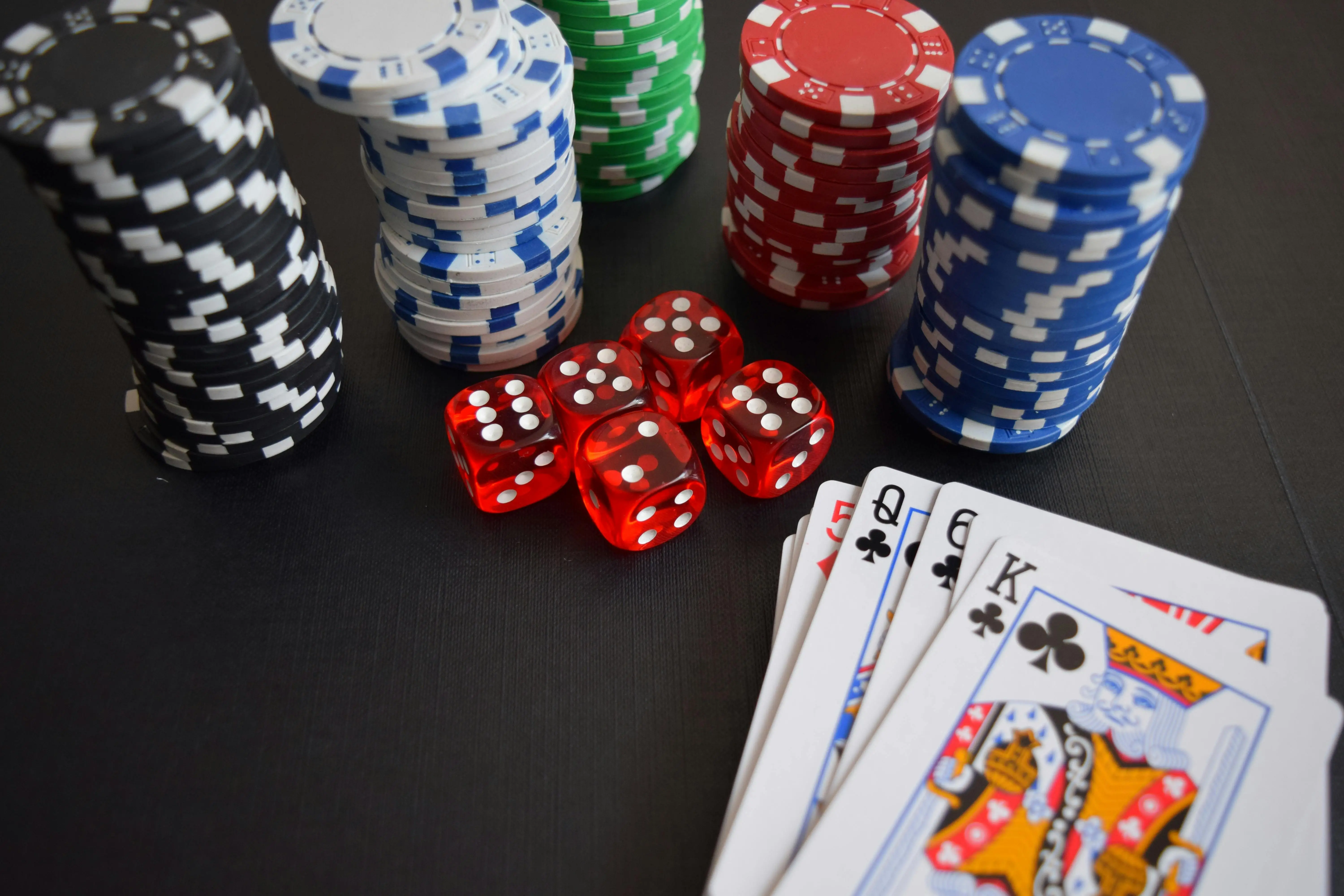
Magic Win Casino and Player Experience
Magic Win Casino UK exemplifies an online gambling platform that effectively engages players through a carefully designed user experience. With a vast selection of over 3,000 slot titles and live dealer games, the platform caters to a diverse audience, ensuring that there is something for everyone. The appeal of a vibrant gaming environment, combined with generous bonuses such as a welcome package of up to £2,000 and 120 free spins, creates an enticing invitation for new players.
The platform’s user-friendly navigation is another critical factor that enhances the gambling experience. By prioritizing seamless interactions, players can focus on the enjoyment of the games rather than struggling with complicated interfaces. This ease of use encourages extended play and increased engagement, aligning with the psychological triggers that motivate casino behavior. The integration of various payment methods, including cryptocurrency, also reflects the evolving landscape of gambling, catering to modern players’ preferences.
Ultimately, Magic Win Casino harnesses the psychological triggers behind gambling behavior to create a compelling experience for its users. By understanding and leveraging the factors that drive decision-making and engagement, the platform not only attracts players but also fosters a community of enthusiastic participants eager to explore what the casino has to offer. This thoughtful approach underscores the importance of psychological insights in shaping successful gaming environments.